Can I Sue for Robocalls in Michigan? An In-Depth Analysis
Introduction
In the age of digital communication, robocalls have become one of the most pervasive nuisances for consumers across the United States. Michigan, like many other states, has seen a surge in unsolicited robocalls, leading to confusion and frustration among residents. This comprehensive article delves into the legal recourse available for those harassed by robocalls within Michigan's borders. We will explore the significance of this issue, the laws in place, and the steps individuals can take to protect their rights and seek compensation.
Understanding Can I Sue for Robocalls in Michigan?
"Can I sue for robocalls in Michigan?" is a question that has gained prominence as the frequency of such calls has increased. A "robocall" refers to a pre-recorded telephone message broadcast with an auto-dialing system to hundreds or thousands of recipients. These calls can be anything from sales pitches to political campaigns, scams, or even legitimate organizations providing important information.
Under the Telephone Consumer Protection Act (TCPA) and Michigan's own consumer protection laws, there are legal avenues for individuals who have been subjected to illegal robocalls. The core components of these laws include provisions that define what constitutes a robocall, under what circumstances they are permissible, and the penalties for entities that violate these regulations.
The historical context of robocalls dates back to the late 20th century when automated calling systems were first integrated into telemarketing practices. Over time, as technology advanced, so did the sophistication of robocalling operations. This led to an increase in nuisance and scam calls, prompting stricter regulations and enforcement efforts.
Global Impact and Trends
The impact of robocalls transcends national borders, with similar issues being faced worldwide. The global trend indicates a growing need for comprehensive legislation and advanced technology to combat the increasing sophistication of these automated calls. Different regions are affected in varying degrees, with consumer-heavy countries experiencing the most significant challenges.
In response, international cooperation has led to agreements like the Agreement on a Global Framework for Effective Coordination in the Fight Against Unsolicited Commercial Communications. This framework aims to harmonize regulations and share best practices across borders, recognizing that robocalls often originate from outside a given country's jurisdiction.
Economic Considerations
The economic aspects of robocalls are multifaceted. On one hand, legitimate businesses use robocalls for legitimate purposes, contributing to the economy by delivering messages efficiently and cost-effectively. On the other hand, illegal robocalls can lead to substantial financial losses for consumers, as well as erode consumer trust in the marketplace.
Market dynamics are influenced by the prevalence of robocalls, as companies that engage in these practices may face increased scrutiny from regulators and consumers. Investment patterns also reflect the importance of developing technologies to combat robocalls, with significant funding directed towards cybersecurity and telecommunications innovation.
Technological Advancements
Technological advancements have been both a double-edged sword and a beacon of hope in the fight against robocalls. On the one hand, sophisticated calling systems can be used to disseminate unwanted calls at scale. On the other hand, advancements in call blocking and detection technologies have become critical tools in protecting consumers from illegal robocalls.
One of the most significant technological developments is the use of artificial intelligence (AI) and machine learning to identify patterns associated with illegal robocalling activities. These systems can flag and filter out calls before they reach consumers, significantly reducing the prevalence of unwanted calls.
Policy and Regulation
The policy and regulatory landscape for addressing robocalls is a complex web of federal and state regulations. At the federal level, the TCPA provides a comprehensive framework for protecting consumers from abusive calls. The Federal Communications Commission (FCC) also plays a pivotal role in enforcing these regulations and updating them to address emerging threats.
State-specific laws, like Michigan's Do Not Call Law, complement federal regulations by providing additional protections and enforcement mechanisms. These laws empower consumers to report violations and seek legal recourse against entities that continue to engage in illegal robocalling practices.
Challenges and Criticisms
The challenges faced by consumers and regulators in the fight against robocalls are significant. One of the main criticisms is that despite existing laws, enforcement remains a challenge due to the global and often decentralized nature of robocalling operations. Additionally, there are concerns about consumer privacy and data security when deploying call-blocking technologies.
To address these issues, stakeholders—including technology companies, regulators, and industry groups—must collaborate to develop robust solutions. This includes improving caller identification methods, enhancing the sharing of threat intelligence, and ensuring that any new technologies respect consumer privacy rights.
Legal Recourse for Michigan Residents
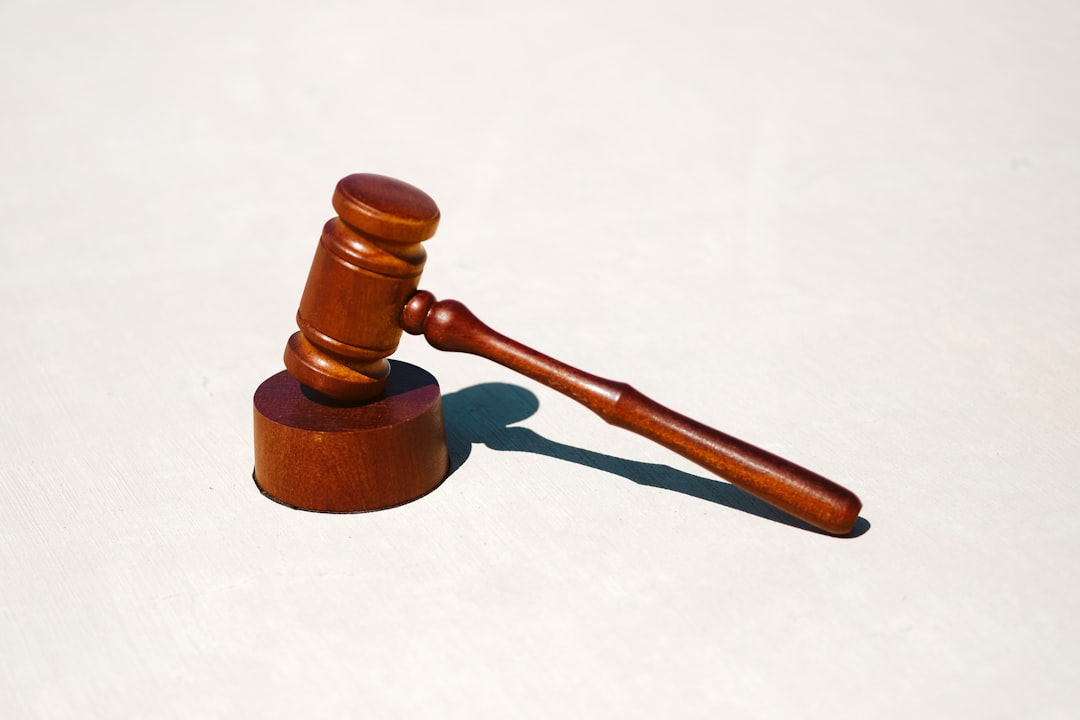
For those who have been harassed by robocalls, legal recourse is available. Individuals can file a complaint with the FCC or the Michigan Attorney General's office. Additionally, consumers who have suffered financial harm as a result of an illegal robocall may be entitled to compensation.
Lawsuits under the TCPA and state consumer protection laws can result in significant penalties for violators. These cases often involve class-action litigation, where a group of individuals with similar claims can seek collective redress. Legal remedies also include individual lawsuits, where a consumer can pursue a claim against a robocaller for damages caused by the illegal calls.
Conclusion
The question of "Can I sue for robocalls in Michigan?" underscores the importance of understanding one's legal rights and the protections available under both federal and state law. As technology evolves and robocalling operations become more sophisticated, it is imperative that laws adapt to protect consumers effectively. Through a combination of robust legislation, advanced technology, and collaborative efforts across sectors, the tide can be turned against unwanted robocalls.
For those affected by illegal robocalls, seeking legal advice from a qualified attorney who specializes in consumer protection law is the first step toward regaining control over one's phone lines and potentially obtaining compensation for damages incurred.